Tackling diverse challenges of climate change within the Zala region
The General Assembly Meeting
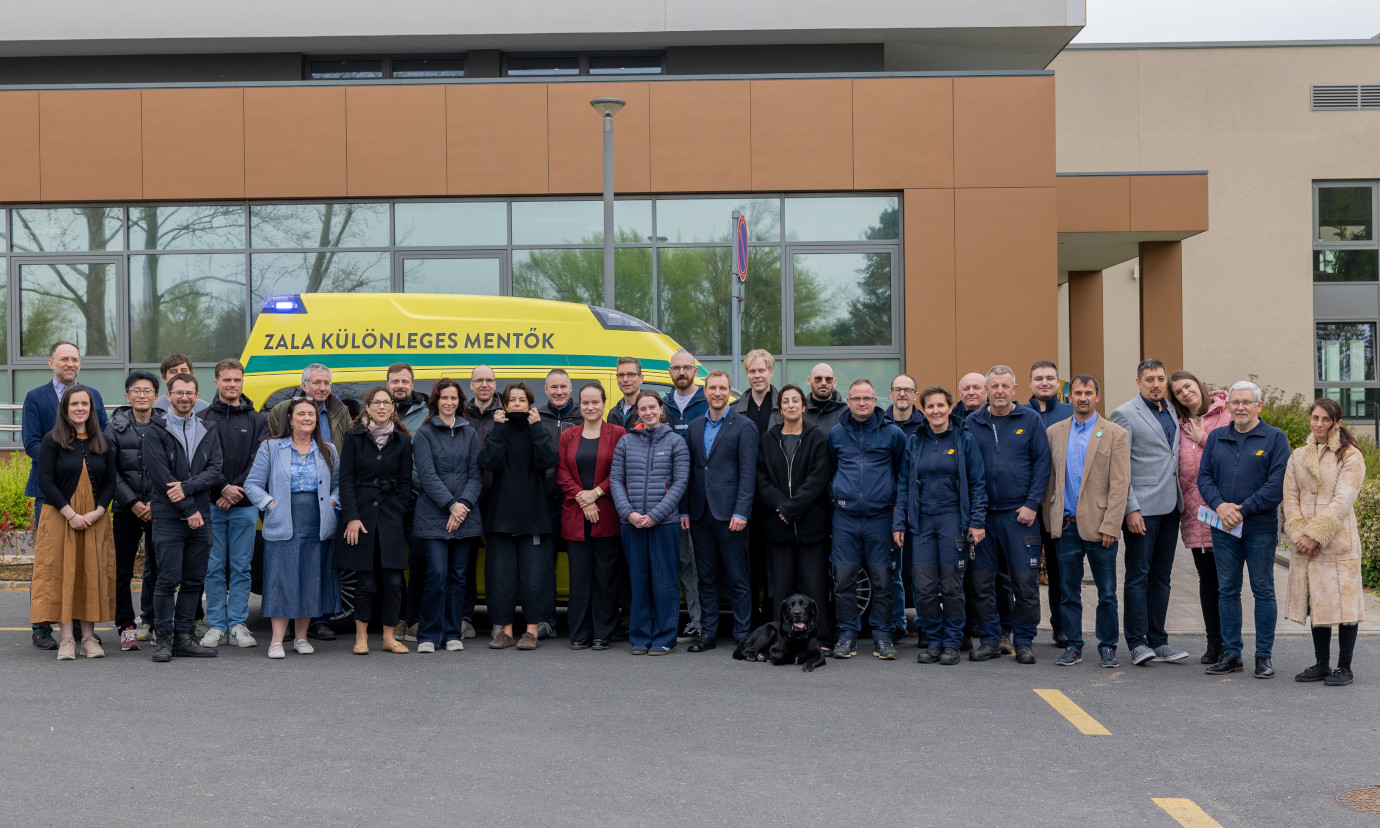
The final General Assembly (GA) for the DIRECTED project consortium took place from April 14th to 16th, 2026.The meeting was held in Keszthely, Hungary, on the western shore of Lake Balaton. Since the project will conclude in September, a primary focus of the assembly was to discuss the project’s legacy and strategies to ensure a lasting impact. Thanks to the engagement of local stakeholders, we gained valuable insights into the diverse challenges of climate change within the Zala region – and possible ways to tackle them.
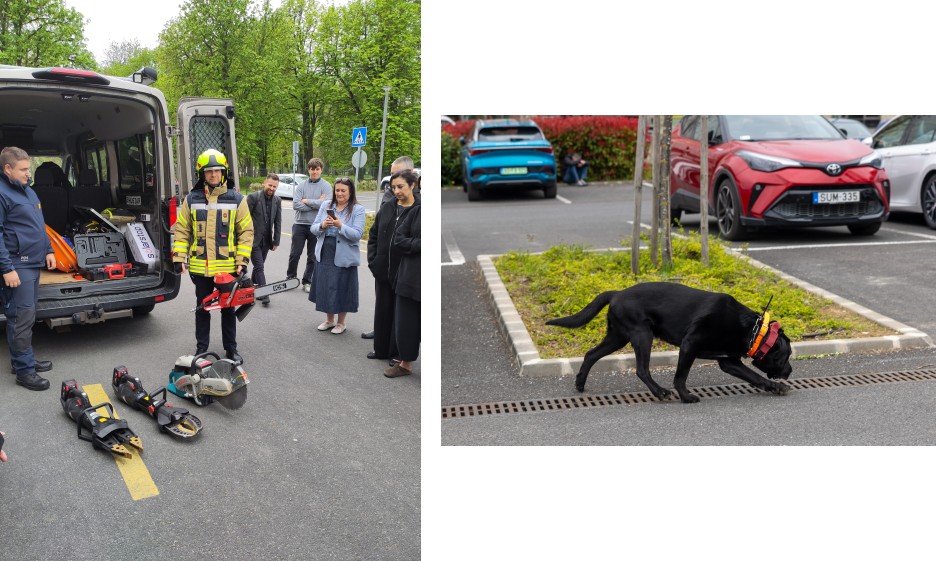
Our local Real World Lab (RWL) hosts from the Zala Special Rescue Team organized the event. They put together a varied program including internal discussions, presentations from guest speakers, a practical live dog rescue demonstration (Figure 1) and a field trip highlighting the impacts of climate change in the Zala region and potential adaptation strategies.
The guest speakers touched on a wide range of topics: the impact of climate change on flora, fauna and agriculture, the resilience of the Balaton and Fertő lakes, disaster management, the Hungarian Meteorological Service and the global crisis database Montandon. We even had a green stand-up comedy show!
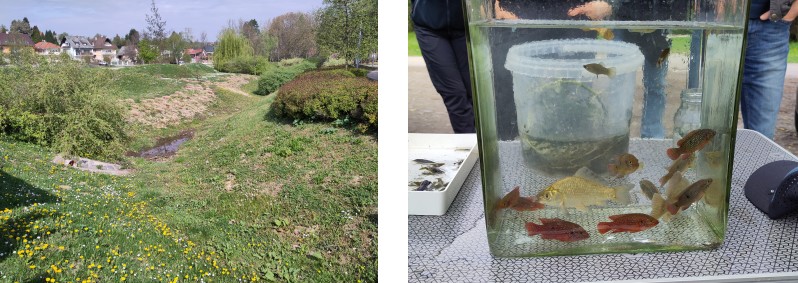
The informative field trip led us to four different locations. At our first stop in Zalakaros, we learned about a local landscaping and green-blue infrastructure initiative. They recently redesigned the area around the Karos Korzó event center incorporating nature-based solutions. As part of this, a trench was excavated to retain water within the landscape and also assist in drainage should a flood occur (Figure 2, left).
The second stop was Kis-Balaton. This lake serves as a water protection facility for Lake Balaton, filtering the water before it enters Lake Balaton. Because the Zala region is a tourist hotspot and Lake Balaton plays a crucial role in the local economy and ecosystem, maintaining high water quality is essential.
Our next stop was another major tourist attraction – Lake Héviz – the largest swimmable thermal lake in the world. Due to the warm water, invasive species from tropical and sub-tropical areas in Africa, America and Asia thrive here. This abundance of invasive species stresses the local species (Figure 2, right). Climate change intensifies this problem since rising water temperatures in the connecting rivers and lakes enable the invasive species to thrive and spread. They are now found in Kis-Balaton and Lake Balaton.
We concluded the day at the Chloro’Feel garden. This green collective and art meet-up was a nice setting for the afternoon, featuring interesting discussions, presentations, and good food.
The Danube RWL in the Data Fabric
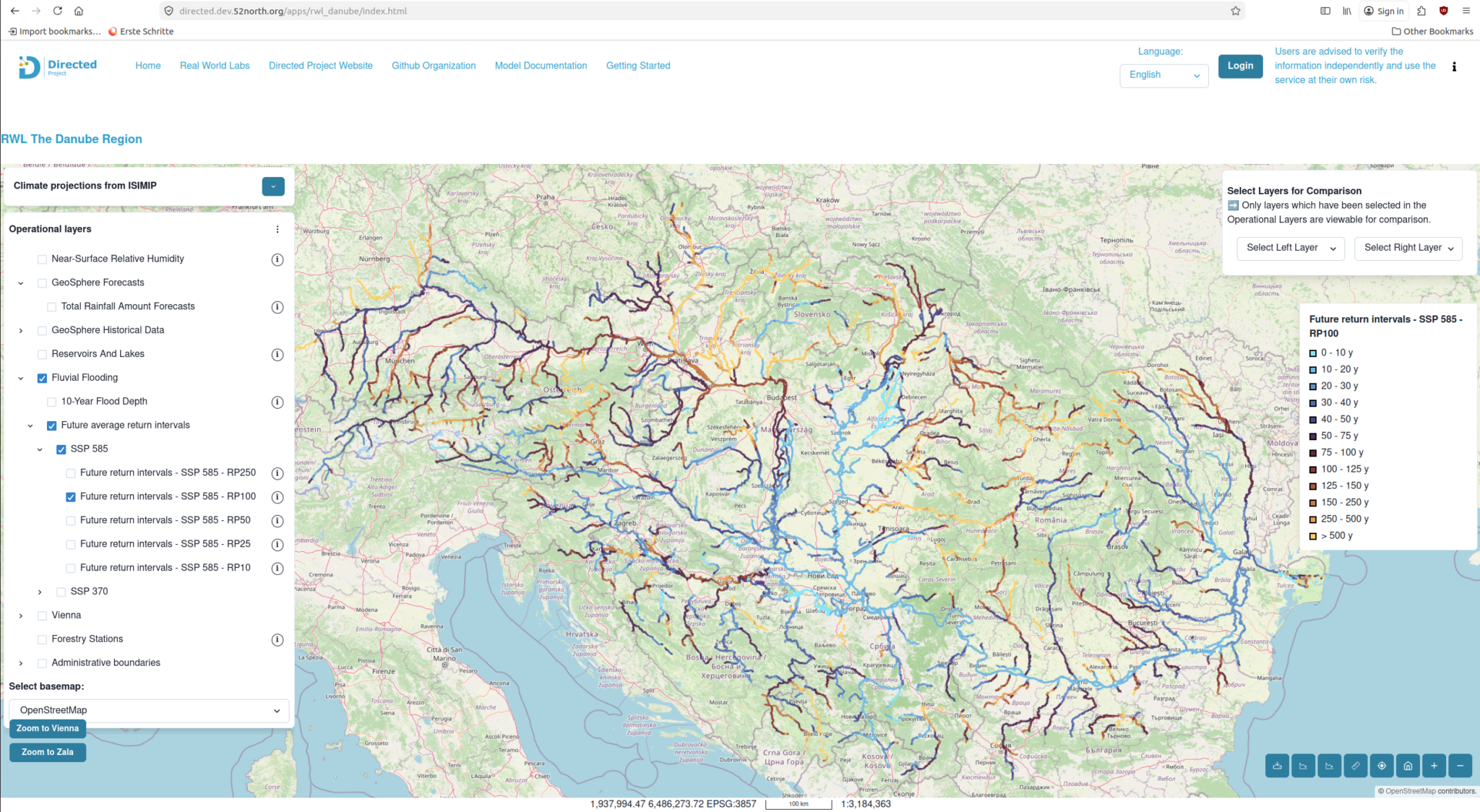
Hungary belongs to those countries in Europe with the highest flood risk. About one quarter of its area is exposed to floods [1, 2]. Climate change is expected to alter the hydrological and flood patterns, causing more extreme weather events with fewer predictable characteristics. To support our stakeholders in adapting to these changes, colleagues used the Future Danube Model [3] and climate projections from ISIMIP [4] to investigate how flood return intervals shift under climate change. We incorporated the results into the Data Fabric [5]. Figure 3 shows an example for the SSP585 scenario and a return interval of 100 years. The colors indicate end of the century future return intervals of major rivers in the Danube basin for what is currently considered a 100-year flood.
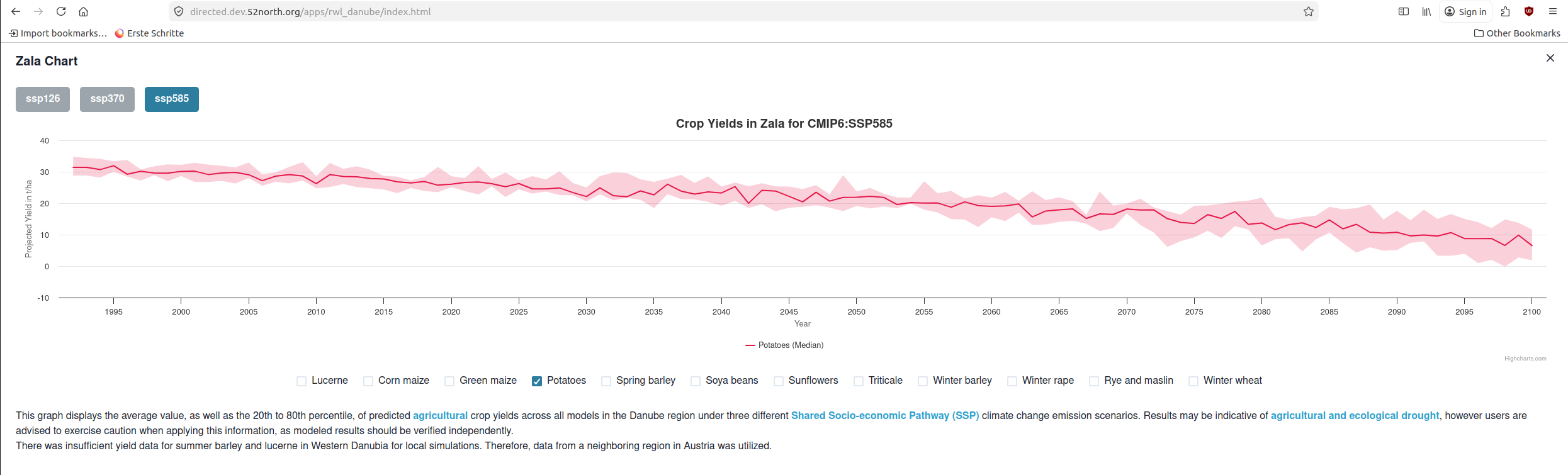
In addition to an increased flood risk, an increased risk of drought is also expected. Agriculture is another important economic sector of the Zala region. Among other factors, the availability of water is crucial in agriculture. Crop yields for 12 crop types have been predicted until 2100 for different climate scenarios and models using the ABSOLUT model [6]. The results show a significant decrease of potato yields in the Zala region (Figure 4). As a guest speaker pointed out, there are already initiatives to breed more robust potato species.This might help keep potato yields high, since the model assumes that the same potato species are used.
Helikon Festival
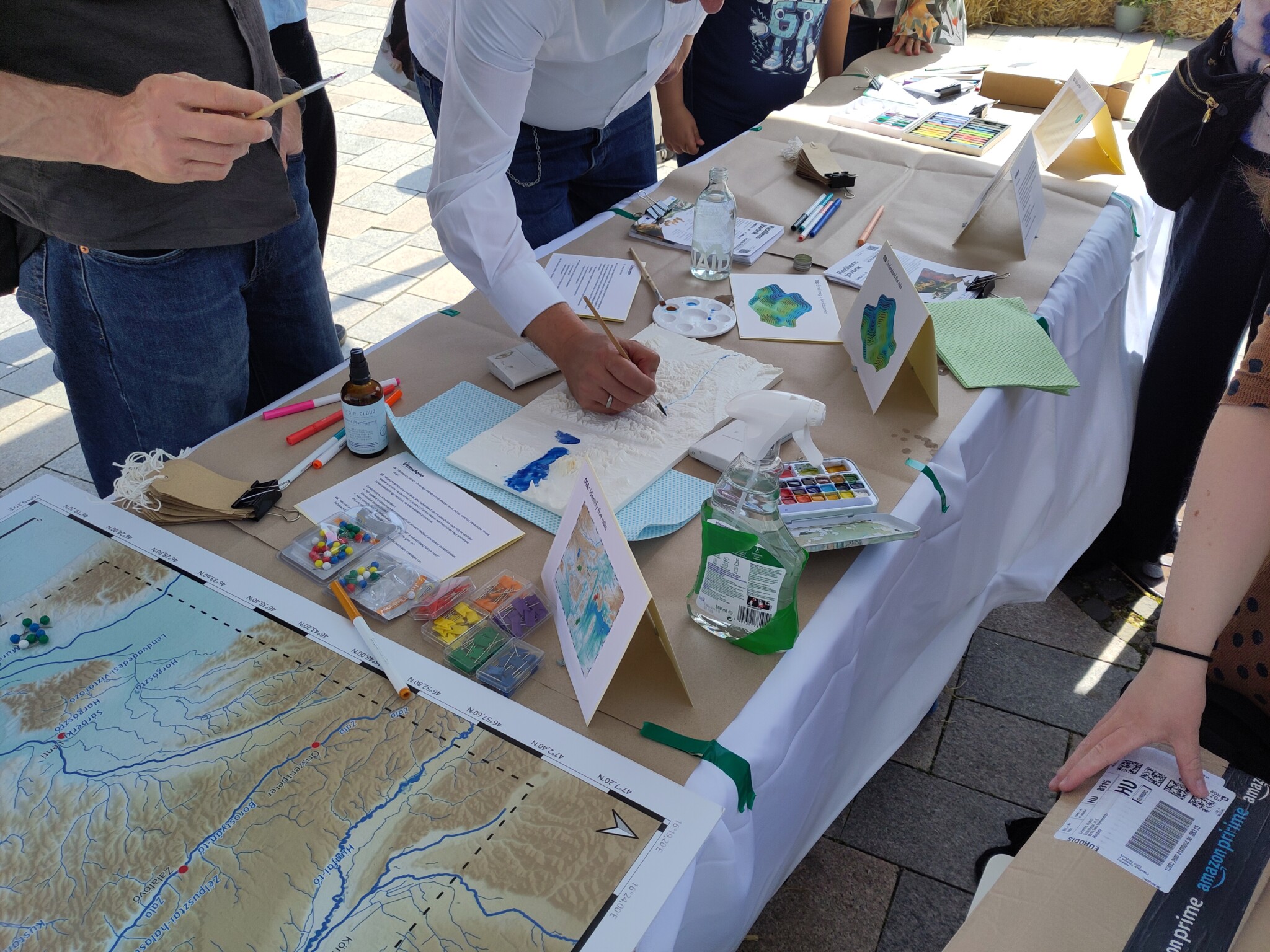
For those who wanted more after three intense days of the General Assembly, there was the option to attend the Helikon Festival from April 16th – 18th! This Youth Arts Festival in Keszthely has a long tradition. Some of our colleagues organized a Resilient Future Youth Climate Art program alongside the festival and offered a lot of creative activities.
Overall, the final General Assembly (GA) in Keszthely was a success. We gained significant insights into the unique challenges regarding climate change in Hungary, in particular in the Zala region, as well as current adaptation efforts. We will use the remaining project months to further validate our results and maximize the impact of our work.
DIRECTED has received funding from the European Union’s Horizon Europe Research and Innovation Programme under grant agreement 101073978.
References
[1] https://www.ovf.hu/en/flood-protection-water-damage-control/flood-protection
[2] https://www.climatechangepost.com/countries/hungary/river-floods/
[3] https://directed-eu.gitbook.io/data-fabric-manual/model-documentation/danube-model
[4] https://www.isimip.org/
[5] https://directed.dev.52north.org/apps/rwl_danube/index.html
[6] https://directed-eu.gitbook.io/data-fabric-manual/model-documentation/absolut-model
Leave a Reply